China Travel Budget: What a Trip Really Costs in 2026
China is one of the great value destinations in world travel — once you know where the money goes. This guide breaks down realistic daily budgets at three levels (backpacker, mid-range, comfort) with per-item costs, compares China against Japan, Southeast Asia, and Europe, and lists the things that are surprisingly cheap (taxis, metro, noodles) and surprisingly expensive (headline attractions, cocktails). Practical money-saving tactics included.
The short version
- Realistic daily budgets per person: US$40-60 backpacker, US$80-150 mid-range, US$150+ comfort, excluding intercity transport and international flights
- Everyday costs are far below Japan or Western Europe: metro rides run ¥3-7 and a filling noodle lunch costs ¥15-30
- Headline attractions are the exception, not the rule: expect ¥40-120 for major sights and add-ons like the Mutianyu cable car
- High-speed rail and top-site tickets reward early booking; prices spike around Golden Week and Chinese New Year
- Mobile payments remove every friction from spending — check your totals weekly or your budget evaporates
China confuses budget expectations in both directions. Travelers arrive braced for expensive and discover that a taxi across Shanghai costs less than a London bus ride — then wince at a ¥120 temple ticket and ¥80 cocktails. The truth is that China in 2026 is one of the better-value destinations in the developed-adjacent world, with world-class infrastructure priced for local wages. The catch: your money is invisible. Cash has essentially vanished, every purchase is a fingerprint or a QR scan, and overspending happens silently. This guide gives you honest numbers — costs below are per person, in US dollars, at roughly ¥7 to US$1, and reflect conditions as of September 2026.
Daily Budgets at Three Levels
These figures assume one person traveling, excluding international flights and intercity trains (a Beijing–Xi’an second-class ticket runs about ¥470-580, or US$65-85).
| Category | Backpacker: US$40-60/day | Mid-range: US$80-150/day | Comfort: US$150+/day |
|---|---|---|---|
| Lodging | Hostel dorm US$10-18 | 3-4-star hotel US$45-90 | Design or 5-star hotel US$120+ |
| Food | US$10-15 (street food, food courts, noodle shops) | US$20-40 (mix of local restaurants and casual Western meals) | US$50+ (nice dinners, coffee culture, wine) |
| City transport | US$2-5 (metro and buses only) | US$5-15 (metro plus Didi rides) | US$20-40 (Didi everywhere) |
| Sights & activities | US$5-15 (one headline sight every day or two) | US$10-25 (headline sights most days) | US$25-60 (guides, shows, add-ons) |
| What it feels like | Dorm beds, trains, street food, sore feet, great stories | Private room, taxis when raining, one splurge meal per city | Flawless hotels, business-class seats on trains, private guides |
Two calibration points from recent traveler reporting: major cities run hotter than these averages — Beijing mid-range spending realistically reaches ¥800-1,500 (US$115-215) per day once you add tickets and taxis — while second-tier cities like Chengdu, Xi’an, and Kunming can undercut the mid-range figure by 20-30%.
How China Compares
Against Japan, China is dramatically cheaper on everything recurring. A comparable mid-range hotel that costs US$120-180 in Tokyo or Kyoto runs US$45-90 in a major Chinese city; a noodle dinner that costs US$9-15 in Tokyo costs US$2.50-5 in Chengdu. Transit is cheaper too. If you have traveled Japan, expect your daily spend in China to drop by roughly a third at the same comfort level.
Against Southeast Asia (Thailand, Vietnam), the picture flips at the bottom and converges at the top. Hostel beds and street food cost somewhat more in China than in Vietnam, and Thailand’s US$25 guesthouse rooms have no real Chinese equivalent at that price. But mid-range travel lands surprisingly close, and China’s trains, metros, and pavements deliver more usable comfort per dollar. Southeast Asia wins on beach-town cheapness; China wins on infrastructure.
Against Western Europe, China wins everywhere except alcohol and top-tier hotels. A metro ride costs US$0.40-1.00 against €2-3 in Paris or Berlin. A sit-down local lunch runs US$3-6 against €15-20. Even “expensive” Chinese cities like Shanghai and Beijing price out like mid-sized European cities, while feeling far more modern on the ground.
One equalizer worth knowing: hotel prices in China swing hard with domestic holidays rather than with foreign tourist seasons. The same room that costs US$60 in late November can list at US$140 during Golden Week, so when you go matters as much as where you stay — more on timing below.
Surprisingly Cheap vs Surprisingly Pricey
Cheaper than you expect, as of September 2026:
- Taxis and ride-hailing: Didi rides across most cities cost US$3-7. Ten kilometers for the price of a coffee, with no tipping, ever.
- Metro systems: Nearly every big city has an excellent one; rides start around ¥3 (US$0.40).
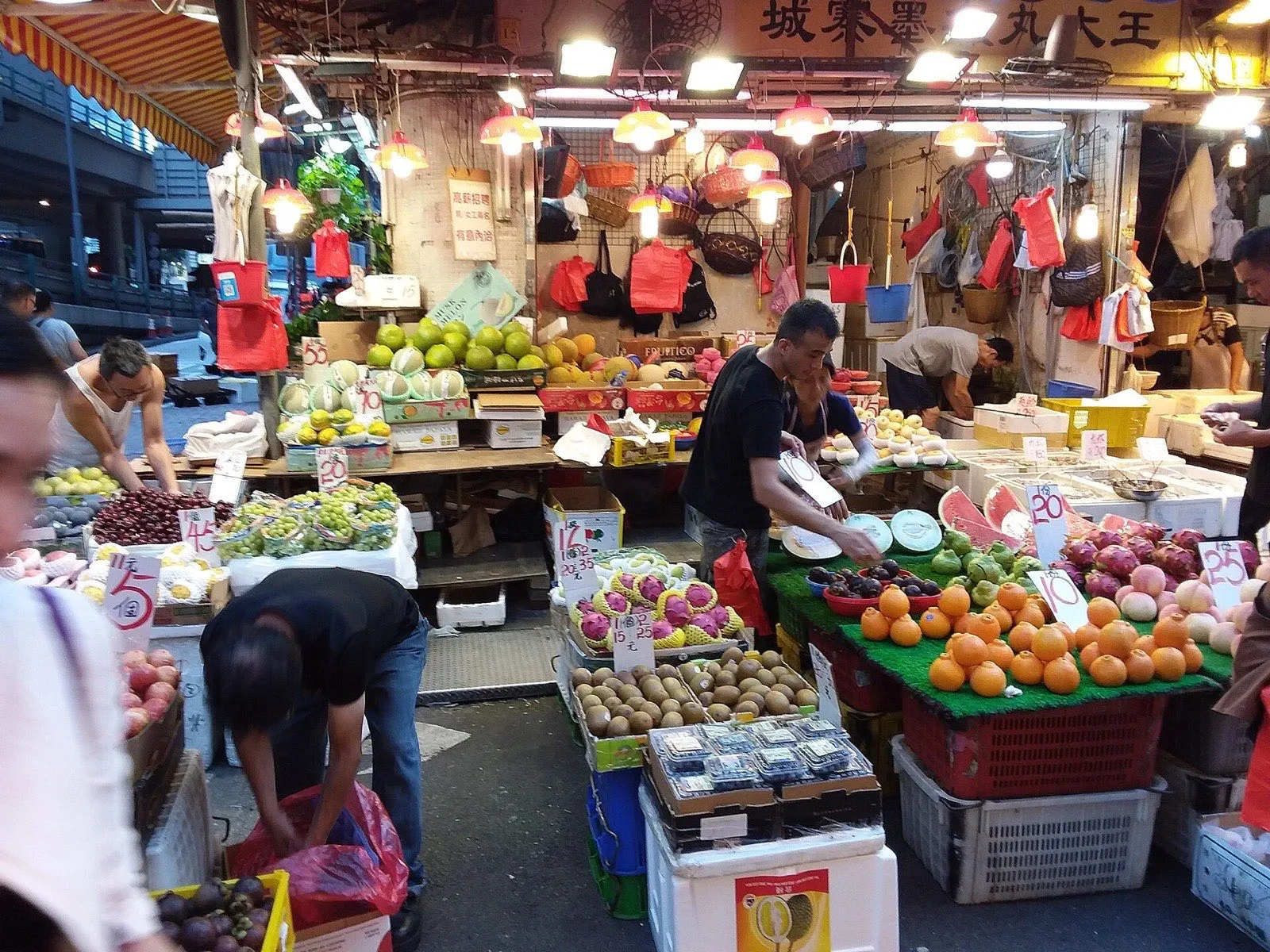
- Eating local: Hand-pulled noodles, dumplings, malatang, barbecue — filling, excellent meals for US$2-5. Food courts in basements of malls are a cheat code.
- Coffee’s local alternative: chains and independent cafes exist, but a ¥9 milk tea or a ¥3 soy milk keeps caffeine costs near zero if you go local.
- Museums: Many city museums, including excellent ones, are free with a reservation.
Pricier than you expect:
- Headline attractions: The Forbidden City runs ¥60 in peak season, the Terracotta Warriors ¥120, and the Mogao Caves more still. Add-ons stack: the Mutianyu cable car is ¥140 round trip on top of the ¥40 entrance.
- Alcohol out: Cocktails at stylish bars in Shanghai or Beijing cost US$9-13, imported beer more. Convenience-store beer, by contrast, is under a dollar.
- Long-distance high-speed rail: Excellent value per kilometer, but a Beijing–Guangzhou second-class ticket approaches US$120 — comparable to a discounted flight.
- Western food: Burgers, brunch, and cheese imports carry import premiums. A mediocre Western breakfast can cost three great Chinese lunches.
Ways to Save Without Suffering
- Book high-speed rail at the 15-day mark. Fares on many routes are cheapest when tickets release, and popular trains sell out — early booking saves money and stress. See our trains guide for the mechanics.
- Travel in shoulder season. April-May and September-October (outside Golden Week) bring the best weather and normal prices. Avoid Golden Week (October 1-7), Chinese New Year, and May Day, when hotels and trains surge or sell out.
- Sleep mid-range in second-tier cities. Chengdu, Xi’an, Kunming, and Changsha deliver 4-star rooms at prices that barely register, and their food scenes outclass most first-tier cities.
- Eat where the queue is local. The ¥25 noodle shop with a line out the door beats the ¥120 hotel breakfast buffet on every axis.
- Use lunch for ambition, dinner for simplicity. Many restaurants do set lunches that cost half the dinner price for similar food.
- Check for free museum days and reservation-only free entry. Provincial museums are frequently free — the exhibits are often world-class.
The Overspending Trap
Here is the budget note nobody else will give you: China’s payment system is engineered to remove friction, and friction is where budgets used to live. Once Alipay or WeChat Pay is set up, every purchase is a glance at a QR code — no cash counted, no card inserted, no mental receipt. A ¥12 bubble tea, a ¥30 ride, a ¥45 souvenir, six times a day, is invisible money. Travelers who track spending in a notes app report consistently lower totals than those who “feel” their way through. Set a daily check-in — thirty seconds each evening reviewing your Alipay itemized statement — and China remains the bargain it actually is.
Common Mistakes
- Budgeting from Western prices. Travelers who budget US$200/day “to be safe” end up eating US$3 noodles and wondering what to do with the surplus. Budget realistically and spend the difference on a second city.
- Forgetting intercity transport is separate. Three high-speed legs can add US$150-250 per person. Build them into the trip budget explicitly, not as a surprise.
- Assuming cash works as an emergency fallback. Plenty of vendors cannot make change for notes anymore. Mobile payment is not optional infrastructure here; set it up before arrival.
- Buying attractions through third-party resellers at marked-up prices. Headline sites sell official tickets via their own mini-programs at face value; resellers add 20-50%. Book direct with Alipay or WeChat Pay.
- Traveling during Golden Week to “save time.” Hotel prices double or triple and trains sell out — the money you “save” on leave days, you spend twice over.
- Ignoring the alcohol line item. Two cocktails a night in Shanghai adds US$150+ to a week. Convenience-store beers on a rooftop before dinner is the local move.