Xishuangbanna, the tropical prefecture at China's southernmost edge where the Lancang River becomes the Mekong and rolls on toward Laos, feels like a different country: Theravada temples with gold spires, bamboo stilt houses, palm-lined boulevards, and night markets that would not be out of place in Chiang Mai. Its Dai people still celebrate the April water-splashing new year, its rainforest shelters a few hundred wild Asian elephants, and the China-Laos Railway now delivers you here from Kunming in as fast as about three and a half hours. Base yourself in Jinghong, the relaxed prefectural capital, for three days: lantern-lit Gaozhuang and the Starlight Night Market, a 1,300-year-old royal garden, China's finest tropical botanic garden, Dai villages along the river, and an honest day of elephant country. This guide covers the tickets and trains, the monkey-brained logistics of festival season, and where the elephant park is worth your time — and where to set expectations.
Top sights at a glance
No. 1
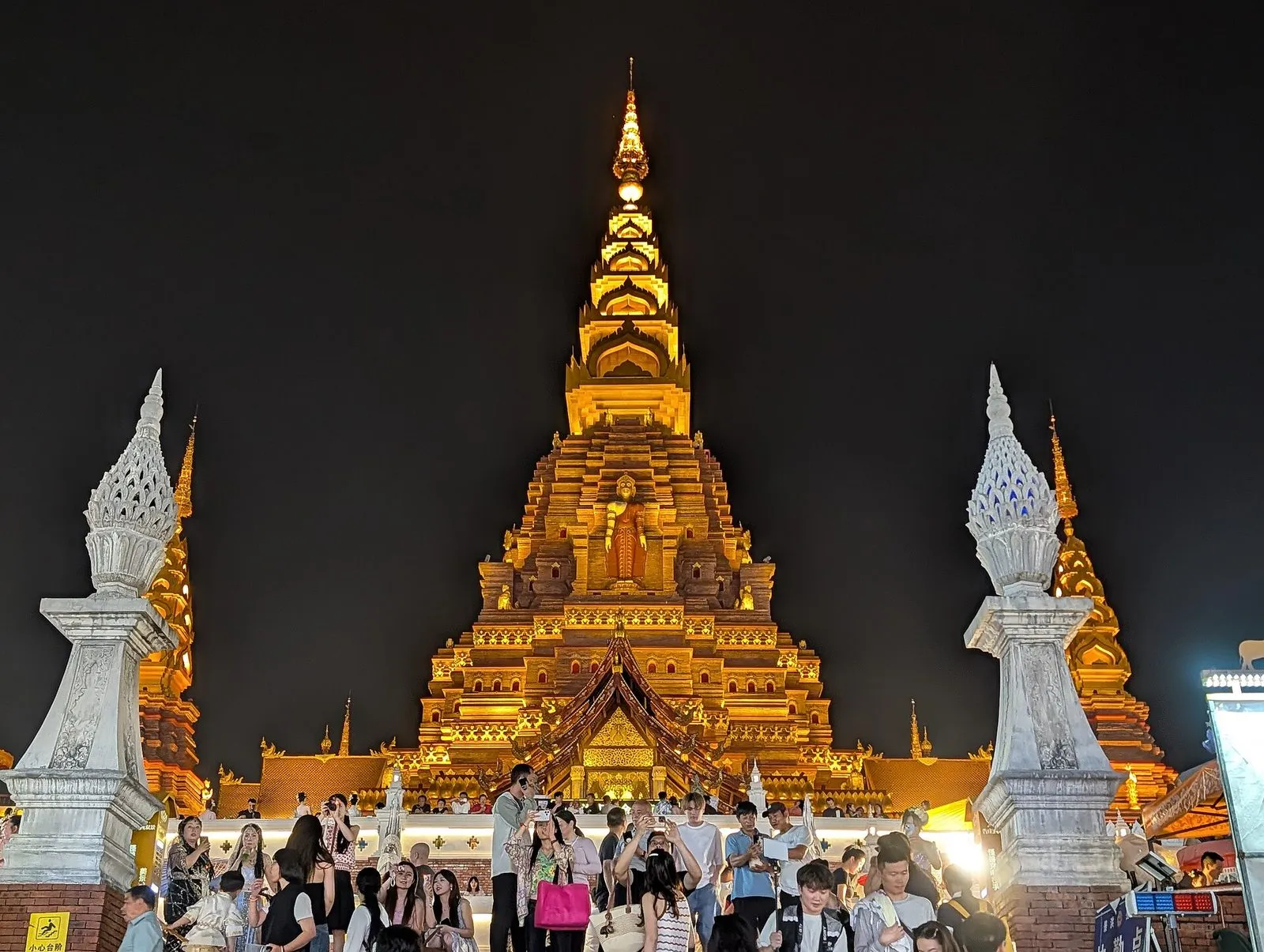
Gaozhuang & the Starlight Night Market
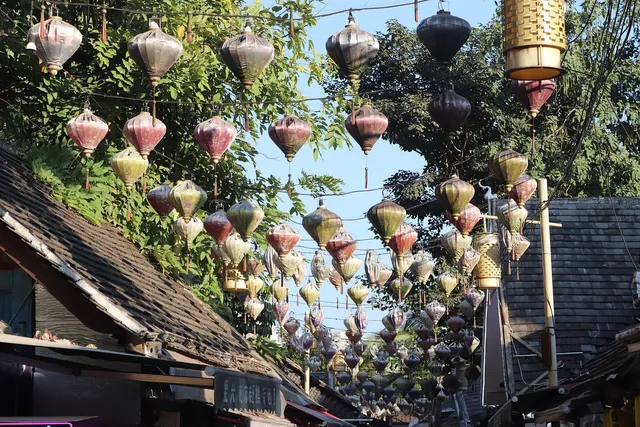
Jinghong's riverside showpiece: a rebuilt Dai-Thai temple district of gold spires, lantern strings, and photo studios arranged around the Great Golden Pagoda, with the huge Starlight Night Market spilling along the Mekong bank each evening. Come at dusk for the lantern light-up, stay for grilled river fish with chili-lime dip, coconut desserts, and Dai-Thai street food from across the region. Touristy and unapologetic about it — and still the best free show in southern Yunnan.
Good to know · The district and market are free to enter; the market builds from about 5 p.m. and peaks after 7, winding down near midnight as of September 2026. It sits a short taxi ride (10–15 yuan) from anywhere central in Jinghong — pay with Alipay or WeChat Pay. Photos at the pagoda cost nothing; the costume-rental photo studios charge separately, agree prices first.
No. 2
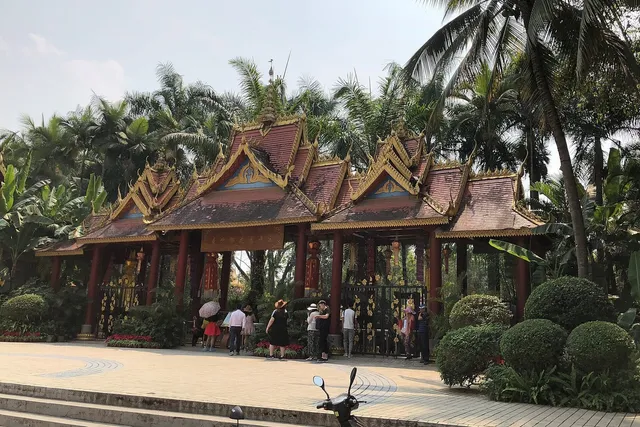
Manting Park
The oldest royal garden in the region — some 1,300 years of it — where Dai kings once cooled off among frangipani trees, lotus ponds, and gold-and-white pagodas that lean more Thai than Chinese. Peacocks patrol the lawns, monks sweep the paths of the adjoining Zongfo Temple, and on many evenings the park hosts staged song-and-dance shows and riverbank ceremonies. Compact enough for two unhurried hours, and the most convenient cultural stop in Jinghong; come at dawn and the chanting drifts through the frangipani.
Good to know · Entry is 40 yuan as of September 2026 (discounts for students and seniors); your ticket also covers free entry to Zongfo Temple through the south gate. Open roughly 8:00 a.m.–6:00 p.m., with evening shows ticketed separately if running. Walk or take a 10–15 yuan taxi from Gaozhuang; go early morning for monks and birds, or late afternoon for temple light.
No. 3
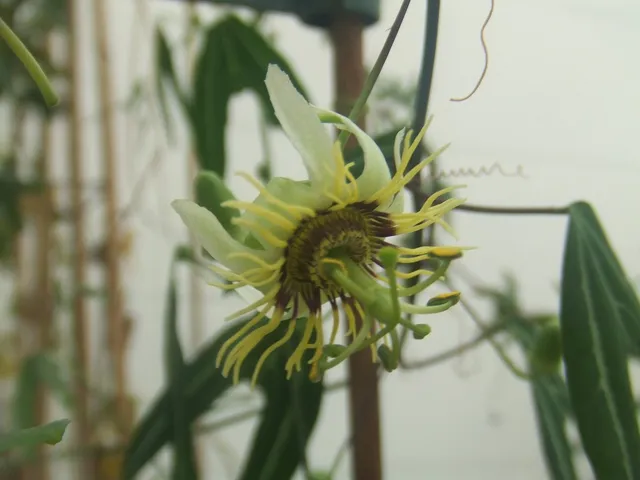
The Tropical Botanical Garden
The Chinese Academy of Sciences' tropical flagship at Menglun, about an hour north of Jinghong: more than 900 hectares and over 13,000 plant species, the largest of its kind in China. The western zone packs two dozen themed gardens — dancing plants, corpse flowers, giant waterlilies that hold a toddler — while the eastern zone is genuine rainforest laced with boardwalks. A full day here resets whatever you thought a botanical garden was.
Good to know · Tickets cost 80 yuan as of September 2026; the west gate opens 8:00 a.m.–6:00 p.m. with last entry 5:30 p.m., and the popular night tour requires a separate advance reservation. Electric carts link the zones — worthwhile, the estate is huge. Buses and tourist shuttles run from Jinghong (about an hour); rent a cart or hire a guide at the gate for the highlights in limited time.
No. 4
Dai Villages of Ganlanba
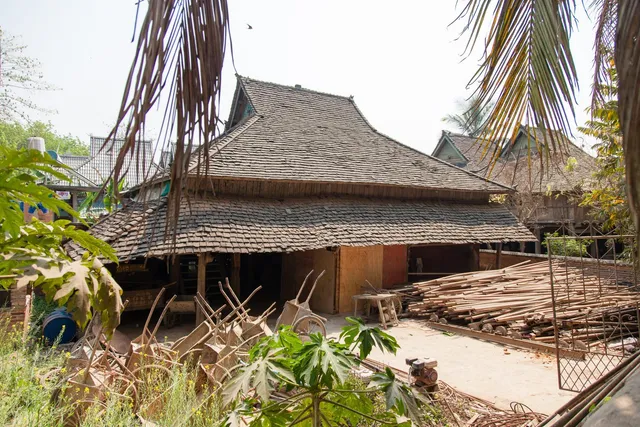
Downstream on the Lancang, the river flats around Ganlanba (Menghan) hold the classic Dai landscape: bamboo stilt houses under coconut and betel palms, temple spires above the treeline, and the Dai Ethnic Garden park where villagers stage water-splashing sessions daily so you can join — or get soaked — year-round rather than waiting for April. It is the most accessible taste of Dai village life, staged in parts, genuine in others.
Good to know · The Dai Ethnic Garden charges admission (roughly 45–110 yuan depending on package and shows as of September 2026 — check current combinations at the gate or on Trip.com). Regular buses and a handful of China-Laos Railway stops at Ganlanba station connect it from Jinghong; allow a half-day. If you want un-staged village atmosphere, pair the park with a slow ride through surrounding lanes.
No. 5
Wild Elephant Valley
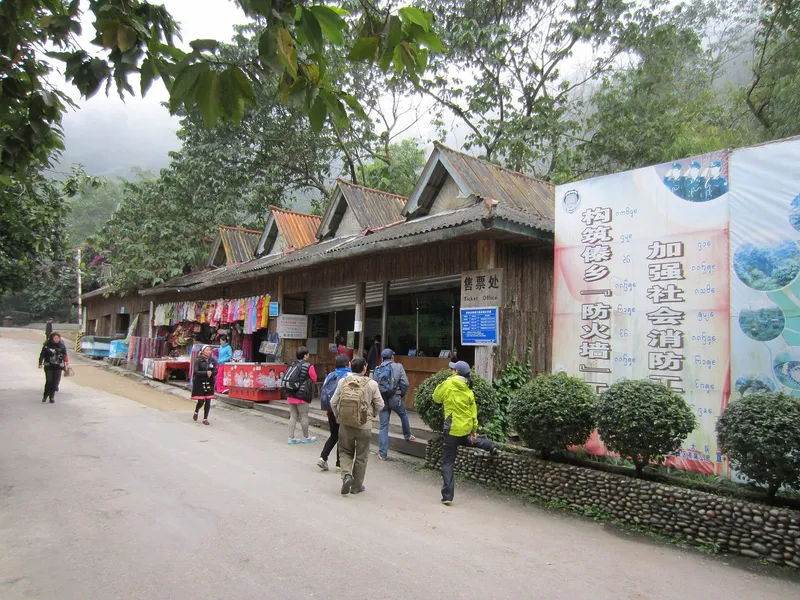
Some 300 wild Asian elephants range across the reserve about 35–40 kilometers north of Jinghong, and this is the park built around their corridor: roughly two kilometers of elevated boardwalk through rainforest, a treetop cableway over the canopy, and viewing platforms above river crossings where herds drink at dawn and dusk. Sightings are a lottery, not a promise — treat any elephant encounter as luck, not a deliverable — and know that the park's managed elephant activities are the contested part.
Good to know · Entry runs about 65 yuan as of September 2026, with the cableway around 50 yuan one way or 70 return; open roughly 8:00 a.m.–6:00 p.m. Buses and tourist shuttles cover the hour from Jinghong, and a China-Laos Railway stop at Wild Elephant Valley station serves it too. Go on a weekday at opening, skip the elephant performances on principle, and let the forest be the point.
China ends, and Southeast Asia begins, somewhere along the Lancang River in Xishuangbanna — and the border is a feeling more than a line. South of the last karst ridges, the landscape turns tropical: coconut and betel palms over bamboo stilt houses, Theravada temple spires glowing above the trees, mist steaming off the rainforest at dawn, and a river that leaves China as the Mekong. The Dai people who farm these flats celebrate their new year by splashing strangers with water every April, and cook like their cousins across the border in Laos and Thailand — grilled fish with chili and lime, herbs by the armful, coconut everywhere. Thanks to the China-Laos Railway, this is no longer a trek: bullet trains from Kunming take as fast as about three and a half hours. Give Jinghong three unhurried days: rainforest, elephants, and the best street food in Yunnan.
A Bit of History
Xishuangbanna entered Chinese records as a Dai kingdom that paid loose tribute to successive empires while running its own affairs — a pattern of autonomy that shaped a millennium. The place name is itself a Dai administrative term: twelve (sipsong) rice-producing administrative units (banna), the dozen feudal estates that once shared the Lancang valley under a hereditary ruler, the Chao Phaendin, based at Jinghong. Theravada Buddhism arrived from Southeast Asia by way of trade and marriage alliances, and it took root so thoroughly that virtually every village built its own temple; the monks who sweep the courtyards at dawn are continuing a lineage closer to Chiang Mai’s than to Beijing’s.
The modern border hardened in the 1890s, when the Franco-British carve-up of Indochina fixed the frontier with Laos and Myanmar along the hills. Distance from Beijing preserved much: Xishuangbanna stayed a frontier prefecture of rubber plantations, tea mountains (Pu’er country begins just north), and subsistence valleys well into the reform era. Recognition came in ecological terms — the rainforest here holds a quarter or more of China’s native plant and animal species in a region smaller than many prefectures, and the reserves established in the late 1950s were among China’s first, created largely to protect the Asian elephant.
The 2020s rewired the geography. The China-Laos Railway — 1,035 kilometers of electrified line from Kunming through Xishuangbanna to Vientiane — opened in December 2021, and in April 2023 international passenger trains began running the full route, ending the practical isolation of China’s southwest corner. Jinghong, which once measured itself in overnight bus hours, now sits three and a half to four and a half hours from Kunming by rail, and an overnight train ride from Luang Prabang. The prefecture’s tourism has surged accordingly, which is both the good news and, in festival season, the bad news.
Culture & Daily Life
Jinghong runs on Dai time, which is to say on the river’s schedule and the sun’s. Mornings begin with monks on alms rounds and stalls selling rice noodles in coconut broth; afternoons slow to a tropical crawl during the hot hours; evenings belong to the riverbank, where the whole city seems to promenade between the night market stalls. The Dai are the largest of the prefecture’s dozen-plus ethnic groups — Han, Akha (Hani), Jinuo, Bulang, and Yao communities share the valleys — and their Theravada practice shapes the visual culture: every skyline is pagodas, every gate is gilded, and boys traditionally spend a stretch of their youth as temple novices, as in Thailand and Laos.
The food is the culture’s friendliest introduction, and it is Southeast Asian in structure: grilled everything, herbs rather than heavy sauces, chilies beaten into dips. The classics — pineapple fried rice served in the pineapple, laap-style minced-meat salads, lemon-grass grilled fish, pounded chicken feet (chong jiao) with chili and lime, banana-leaf grilled mushrooms — cluster at the night markets, where a full graze runs 30–80 yuan. Coffee and tea both matter: Pu’er grows a short drive north, and Yunnan’s smallholder coffee has reached Jinghong’s cafes in earnest.
Two cultural notes keep you welcome. Dress modestly at working temples — shoulders and knees covered, shoes off where the locals do — and treat the monk-and-novice population with the same quiet respect you would in Thailand. And during the Water-Splashing Festival, the rules of engagement change: April’s new year (mid-April, traditionally April 13–15) turns every street into a good-natured water fight, and no one — tourists included — stays dry. It is the region’s signature experience, and the reason you must book rooms months ahead: accommodation prices multiply and sell out, so plan the festival as its own trip.
Nature & Day Trips
Xishuangbanna is one of Earth’s biodiversity hotspots packed into a prefecture: monsoon evergreen forest, seasonal rainforest, and riverine jungle holding everything from gibbons and green peacocks to hornbills and the Asian elephant. The reserves that protect this — first gazetted in the late 1950s — ring the prefecture, and the parks in this guide are their public faces. For most travelers the botanical garden is the single best nature day: a full estate of the tropics’ strangest plants with rainforest walking on top.
Beyond the headliners, the options deepen with distance. The Wangtianshu reserve near Mengla, two hours south, protects the namesake Parashorea chinensis trees — straight rainforest giants over 70 meters tall — with a canopy walkway strung among them; it pairs naturally with a longer stay or an onward rail trip toward the Laos border at Mohan. Nearer to Jinghong, the Primeval Forest Park offers a half-day of boardwalk rainforest and captive peacocks for when time is short. The tea mountains around Menghai, west of the city, put you among ancient tea trees and Hani villages — a quiet, high-benefits day for tea drinkers.
One honest framing for trip planning: this is not a continuation of the Kunming–Dali–Lijiang highland route, and trying to bolt it on in two days from Lijiang will exhaust you. Xishuangbanna sits at the bottom of Yunnan like a tropical appendix — best reached on its own rail line from Kunming, best given its own three days, and best understood as a trip within the trip.
Food & Drink
Eat here the way you would in northern Thailand: by wandering and pointing. The night markets around Gaozhuang and the riverfront stage the greatest hits every evening — lemon-grass grilled river fish slit open and packed with herbs, pineapple rice, banana-leaf parcels of spicy mushroom, pounded chicken feet with lime and chili, and Dai-style barbecued pork skewers — for a stroll-and-graze budget of 30–80 yuan per person. The chili-lime dipping sauce served alongside the fish is worth bottling; ask for extra and admit nothing. Fruit is its own course: mangoes, jackfruit, and tiny sweet bananas sold by the kilo at the market edge.
Sit-down meals reward a slightly longer list. Dai restaurants in town serve laap-style minced salads, sour bamboo-shoot soups, wild-gathered greens with oyster sauce and garlic, and the region’s famous flower dishes in season. Jinghong’s small Burmese and Lao cafes — a legacy of the border trade — add coconut curries and tea salads to the map. Breakfast is a choice between rice noodles in broth and the sweeter Dai rice cakes wrapped in banana leaf; the milk-tea and fresh-fruit-blender stands handle the hours between.
Drinking culture is tropical and relaxed: fresh coconut everywhere, sugarcane juice pressed to order, local craft beer appearing in the Gaozhuang bars, and Yunnan coffee now roasted in town. The one warning is the same one every tropical destination gives — the ice in the big market stalls is fine, but in the heat of April and May, alternate the fresh juices with actual water. Everything from the market to the bars runs on Alipay or WeChat Pay; cash is close to extinct here.
Top Sights
Gaozhuang & the Starlight Night Market
Jinghong’s evening center of gravity, and the first thing you should see. Gaozhuang Xishuangjing is a rebuilt Dai-royal-style quarter around the nine-tier Great Golden Pagoda, its lanes strung with lanterns and lined with Dai-Thai facades, tea shops, and costume-rental photo studios where visitors pose in traditional Dai dress. Out of its riverside gate spills the Starlight Night Market, one of the largest in Asia by stall count: hundreds of vendors along the Mekong bank selling grilled fish, pineapple rice, pounded salads, tropical fruit by the kilo, coconut ice cream, and handicrafts, with the lit pagoda glowing over all of it. Yes, it is built for tourism, and yes, you should go anyway — the setting is singular, the food is genuinely good, and the crowd is the show. Go at dusk to catch the lantern light-up, graze until full, then walk the riverbank as the market winds down near midnight. Free to enter, and a 10–15 yuan taxi from anywhere central as of September 2026.
Manting Park
The oldest royal garden in the region, laid out some 1,300 years ago as a pleasure ground for Dai kings, and now the most convenient cultural stop in Jinghong. Frangipani avenues and lotus ponds lead past gold-and-white pagodas in the Dai-Thai style, a small peacock enclosure, and the area’s royal Buddhist hall; the adjoining Zongfo Temple, reached free through the south gate on your park ticket, is a working monastery where novices in saffron study between the gold columns — real worship, not scenery. On many evenings the park runs staged Dai song-and-dance shows and riverside ceremonies; pleasant enough, but the daylight version costs 40 yuan and the temple costs nothing extra. Come early for the monks and the birds — the chanting drifts through the frangipani — or late afternoon when the pagodas catch amber light, then continue to the riverbank for the market hours. Open roughly 8:00 a.m.–6:00 p.m. as of September 2026.
The Tropical Botanical Garden
The academic heavyweight of Chinese botany: the Academy of Sciences’ tropical garden at Menglun, an hour north of Jinghong, holding over 900 hectares and more than 13,000 species — the largest collection of its kind in China, and one of the finest in Asia. The estate splits in two. The western zone concentrates the spectacle into two dozen themed gardens: giant waterlilies strong enough to bear a child’s weight, dancing plants that quiver at sound, the famously foul corpse flower when it blooms, orchid houses, and shaded fern gullies. The eastern zone is a long ribbon of genuine rainforest with boardwalks and a green-stone-forest karst section — quieter, wilder, and worth the extra hours if you have them. This is a full-day sight, not a checkbox: entry is 80 yuan as of September 2026, gates run 8:00 a.m.–6:00 p.m. with last entry at 5:30 p.m., and electric carts (worth it — the distances are real) link the zones. The night tour, “Wulan Meiying,” shows a different forest of nocturnal blooms and glow-in-the-dark fungi, but requires a separate advance reservation. Buses and tourist shuttles connect from Jinghong; railway users can ride toward Menglun and transfer, though the direct bus is simpler.
Dai Villages of Ganlanba
Downstream from Jinghong, the Lancang valley flattens into the rice bowl of the Dai country — Ganlanba, the “olive dam,” where stilt houses stand under coconut and betel palms and village temples spike the treeline. The organized face of this is the Dai Ethnic Garden, a park of five villages where residents continue daily life while the park stages the region’s most reliable cultural program: daily water-splashing sessions where visitors in rented clothes join the bucket-and-bowl free-for-all, peacock-feather dance performances, and craft demos. Purists will find it choreographed, and it is; but the setting is real, the gardens are lovely, and joining a water fight on a Tuesday in November is precisely the point. Admission runs roughly 45–110 yuan depending on package and shows as of September 2026 — check current combinations at the gate or on Trip.com before committing. Regular buses cover the hour from Jinghong, and a handful of China-Laos Railway trains stop at Ganlanba station, making an easy rail-side stop on the way back from Mengla or the botanical garden.
Wild Elephant Valley
The park where China meets its largest land animal, and the place that most deserves honest expectations. About 300 wild Asian elephants range across the reserve north of Jinghong, and Wild Elephant Valley sits inside their corridor: roughly two kilometers of elevated boardwalk through rainforest, a treetop cableway riding the canopy for kilometer after kilometer, and viewing platforms above river crossings where herds drink at dawn and dusk. Seeing wild elephants is a genuine lottery — most visits end with the forest, not the herd — so treat any sighting as fortune, and time your visit for opening hours on a weekday for the best odds. The contested part is the managed herd: the park keeps elephants for close-up experiences and performances, a practice that has drawn sustained criticism from welfare advocates, and the honest judgment is that the shows are the weakest reason to come — skip them, and let the boardwalk and canopy ride justify the trip. Entry runs about 65 yuan as of September 2026 with the cableway around 50 yuan one way or 70 return; buses and tourist shuttles cover the hour from Jinghong, and the China-Laos Railway’s Wild Elephant Valley station puts you close by. Open roughly 8:00 a.m.–6:00 p.m.
Getting There & Around
The China-Laos Railway changed everything. Bullet trains from Kunming South reach Xishuangbanna station in as fast as about three and a half hours (roughly 3.5–4.5 hours across services, second class around 240–250 yuan), and since April 2023 international trains have run daily between Kunming and Vientiane — the through journey takes about ten and a half hours including border formalities, with convenient stops at Luang Prabang on the way. Book on the official 12306 app or Trip.com with your passport. Xishuangbanna Gasa Airport, 15–20 minutes south of downtown, adds dense domestic flights (45 minutes from Kunming when prices cooperate) and regional routes. The railway’s stops — Wild Elephant Valley, Ganlanba, Mengla — double as day-trip spines.
In Jinghong, everything useful sits within a short DiDi of the riverfront — Gaozhuang, Manting Park, and the night markets for 10–15 yuan a hop, as of September 2026. Buses and tourist shuttles cover the botanical garden and Wild Elephant Valley; the railway and intercity buses cover Mengla and the tea mountains. Renting a car buys flexibility at the price of aggressive local traffic; most travelers will not need it. Alipay and WeChat Pay work at every stall, station, and ticket window — set them up before you arrive: this is cashless country.
Where to Stay
Base in central Jinghong for the full stay. The Gaozhuang quarter puts you inside the lantern district: walk-out-of-bed access to the night market, Dai-style boutique hotels and guesthouses at every tier, and the pagoda outside your window — the atmospheric choice, at slightly tourist-calibrated prices. The riverfront streets between Gaozhuang and Manting Park run quieter and cheaper while staying in walking distance of both, which suits most itineraries. For a resort-flavored stretch, the Manong area north of the center along the river holds the pool hotels. Wherever you book, two calendar rules matter: the Water-Splashing Festival in mid-April multiplies prices and empties the city’s rooms — reserve two to three months out or choose different dates — and the November-to-March dry season fills weekends with domestic escapees from northern winter, so book ahead for Chinese holidays throughout. If your route continues to the Laos border, spend the extra night in Mengla near Wangtianshu rather than backtracking to Jinghong twice.
Sources & verification (10)
- https://www.news.cn/world/2023-04/13/c_1129521115.htm
- https://www.gaotie.com.cn/lieche/kunming-xishuangbanna.html
- https://www.gaotie.com.cn/tielu/zhonglao.html
- https://www.thechinajourney.com/xishuangbanna-travel-guide/
- https://chinamustsee.com/posts/2026-08-17-xishuangbanna-tropical-yunnan/
- https://www.chinatour101.com/2026/06/xishuangbanna-travel-guide-2026/
- https://km.bendibao.com/tour/2023215/71819.shtm
- https://www.zhunaqu.com/xsbn/article/17224
- https://m.yaochufa.com/p_yexianggu
- https://baike.baidu.com/item/%E5%82%A3%E6%97%8F%E6%B3%BC%E6%B0%B4%E8%8A%82/2400128