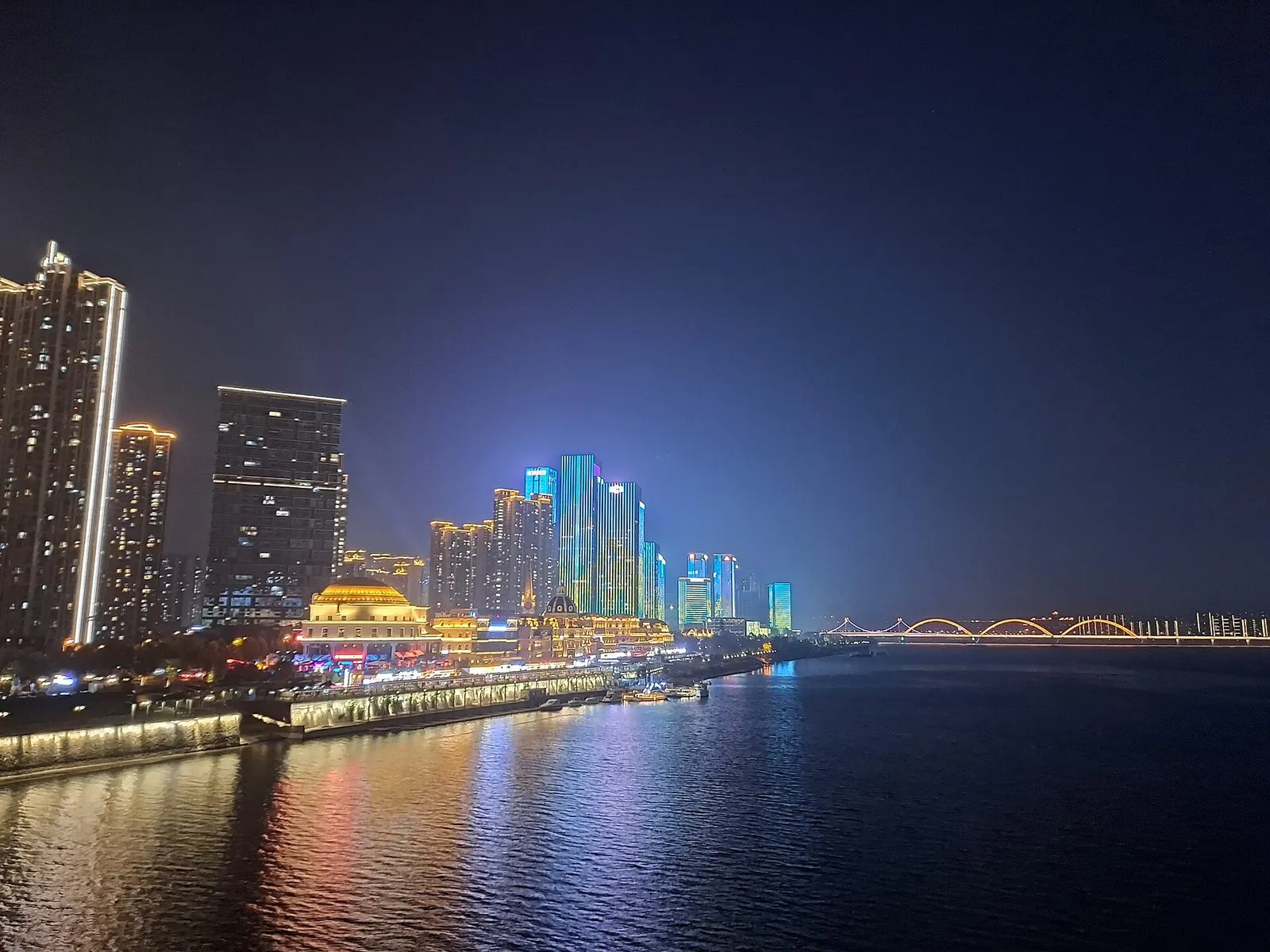
Changsha, the capital of Hunan province, has become the unlikeliest celebrity in Chinese travel: an inland megacity that out-hypes Shanghai after dark. Its recipe is entertainment plus appetite — the variety-show industry of Hunan TV, the milk-tea brand Chayan Yuese and its block-long queues, the nostalgia labyrinth of Super Wenheyou, and streets that sell spicy crayfish and black stinky tofu past midnight. Daytime belongs to history of a different grade: the Mawangdui Han tombs at the free Hunan Museum, where a 2,100-year-old noblewoman rests and a silk robe weighs 49 grams, and the thousand-year-old Yuelu Academy beneath its forested hill. This page explains the reservation systems, the metro lines that matter, an honest strategy for the crowds, and why one or two high-energy days here balance almost any China itinerary. Prices and policies checked as of September 2026.
Top sights at a glance
No. 1
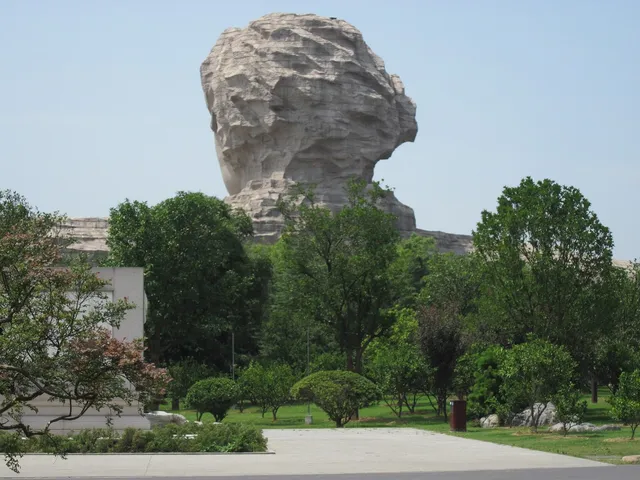
Orange Isle
A long, narrow park island in the middle of the Xiangjiang River, reached by an underground metro station halfway along it. Orange Isle is where a 32-year-old Mao Zedong wrote his most famous poem in 1925, and the giant granite statue of his young face — built in 2009 — is now the city's signature photo. Locals jog, picnic, and cycle the riverside lawns with the skyline floating across the water. It is free, open all day, and works at dawn or after dark.
Good to know · Entry is free and the island is open all day; take Metro Line 2 to Juzizhou station, which surfaces mid-island, and walk toward the statue at the southern tip. A sightseeing shuttle (around 40 yuan for multiple rides) saves your legs in summer. On the handful of fireworks nights each year the metro skips this station after 7 p.m.
No. 2
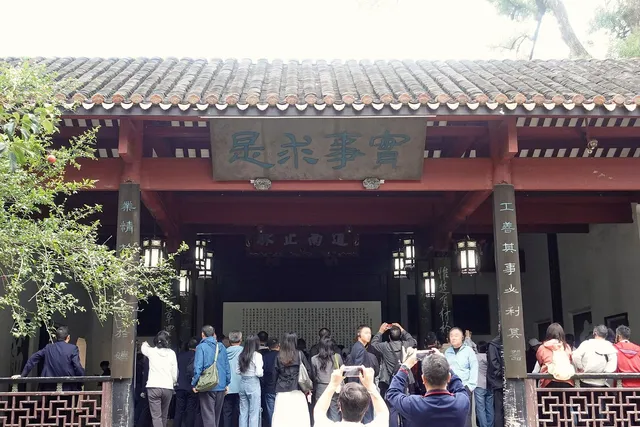
Yuelu Mountain & Yuelu Academy
The green wall west of the river packs a surprising amount of China into one afternoon. At its foot sits Yuelu Academy, founded in 976 and continuously operating ever since — a direct line to the campus of Hunan University that surrounds it today. Above the buildings, forest trails lead to Buddhist and Taoist temples, a love-late-autumn pavilion, and lookout terraces over the Xiangjiang. The mountain is free; the academy courtyard complex costs a modest ticket and is the cultural highlight.
Good to know · Yuelu Academy admission is 50 yuan as of September 2026; the mountain itself is free, with park buses and a cable car available. Take Metro Line 4 to Hunan University station or Line 2 to Yingwanzhen and walk five to ten minutes. Go early — by late morning the stone paths fill with tour groups and student crowds.
No. 3
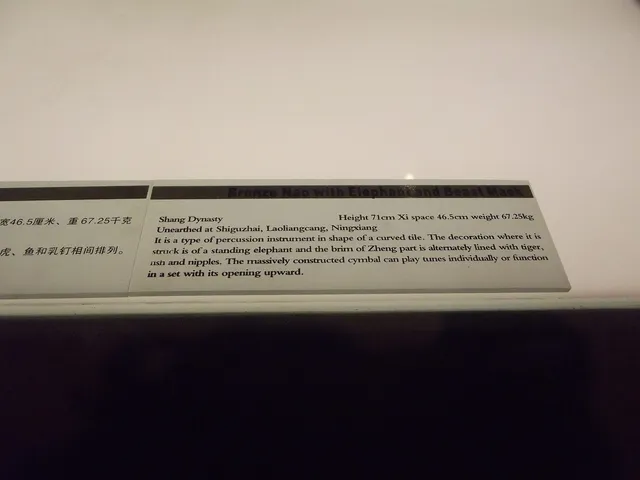
Hunan Museum
One of China's best museums, and the single best reason to put Changsha on an itinerary. Its permanent star is the Mawangdui Han tomb exhibition: the preserved body of Lady Xin Zhui, dead for over 2,100 years but found with moist skin and intact organs, plus the legendary 49-gram plain-gauze silk robe light as a cicada wing. The two-thousand-year-old painted coffin and T-shaped silk banner alone justify the trip. Free entry, timed reservation, closed Mondays.
Good to know · Admission is free but reservation is required — book up to five days ahead (not counting same day) on the museum's official WeChat account or Alipay mini-program and bring the passport you booked with. Open 9 a.m. to 5 p.m. Tuesday through Sunday, last entry 4 p.m.; closed Mondays. Take Metro Line 6 to Lieshi Gongyuan Nan (Martyrs Park South, Hunan Museum) station.
No. 4
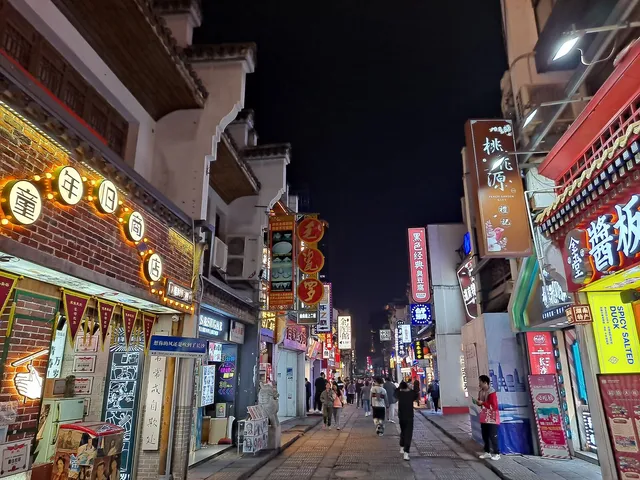
Taiping Old Street
A restored lane that has been part of central Changsha for more than two thousand years, keeping its old fishbone street pattern beneath the neon. Black stinky tofu stalls, milk tea windows, sugar-blowing peddlers, and time-honored snack shops pack a few hundred meters between Wuyi Avenue and the river. Yes, it is touristy — but the Fire God Palace complex one block over on Pozi Street is the real deal, the ancestral home of the city's most famous snack, and the crowds are the show.
Good to know · Free to wander at any hour; shops generally run from mid-morning to about 10 p.m., and it is liveliest after dark. Walk over from Wuyi Square station (Lines 1 and 2) in ten minutes. Buy stinky tofu here once, then do your serious eating one street back where prices drop.
No. 5
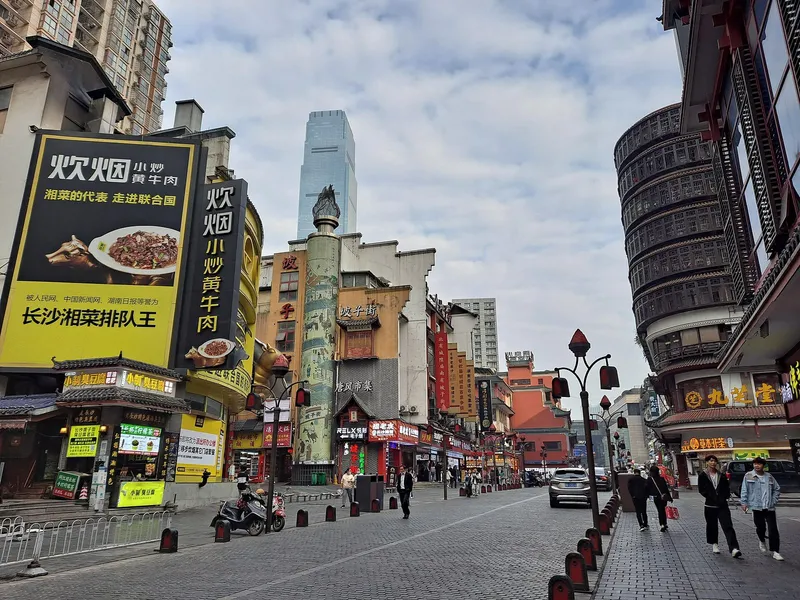
Pozi Street & the Wuyi Square Nightlife
Pozi Street is the old snack spine of the city; a few steps away, the Wuyi Square district and Jiefang West Road form what locals simply call buxingjie — the business of night itself. Bars stack floor on floor, small theaters run late-night improv, crayfish houses shake woks past 2 a.m., and milk tea queues barely shrink at midnight. Changsha's night economy routinely ranks among China's strongest, and this is where you feel it: the city peaks when others are asleep.
Good to know · Everything is walkable from Wuyi Square station; come after 9 p.m. for the full effect and expect peak crowds from 11 p.m. to 1 a.m. Bars and snack stalls take Alipay or WeChat Pay only. Late taxis are scarce on weekends — DiDi queues spike after midnight, so keep your hotel close.
Changsha is the city your Chinese friends post about at 1 a.m. An inland provincial capital of roughly ten million people, it spent most of its history as a serious, somber place — Chu kingdom frontier, Qing-era shipping hub, cradle of revolutionaries — and then, sometime in the last decade, became the loudest word in Chinese pop culture: the home of Hunan TV’s variety-show machine, the birthplace of Chayan Yuese milk tea, and a city where the night economy is treated as civic infrastructure. For foreign visitors it remains refreshingly under-visited. You get big-city energy, museum-grade history, and the spiciest mainstream kitchen in China at prices well below Beijing or Shanghai. Give it a day or two, ideally bookending Zhangjiajie or Fenghuang, and bring your appetite and your patience for queues — in Changsha, the queue is part of the attraction.
A Bit of History
Changsha’s recorded story runs long and unusually intact. The city sat on the southern fringe of the Zhou kingdom, was the seat of the Changsha kingdom under the Han dynasty, and left its most famous artifact by accident: in 1972, workers digging air-raid shelters at Mawangdui on the city’s eastern edge opened three Western Han tombs sealed since the second century BC. Inside lay the family of Li Cang, chancellor of the kingdom — and above all his wife, Lady Xin Zhui, whose body was found so well preserved that her skin still had elasticity and her joints still moved. The tomb goods read like a time capsule: lacquerware, silk maps, painted coffins, and the sheer silk gauze robe weighing just 49 grams that remains a byword for Han craftsmanship.
The city kept making history. Changsha was where the young Mao Zedong studied, taught, and — the city insists — swam in the Xiangjiang; his 1925 poem about Orange Isle is memorized by every Chinese schoolchild and explains the giant statue that now anchors the island. In 1938 the entire old town burned in a catastrophic fire set by retreating forces, which is why little pre-modern architecture survives in the center and why the “old streets” you walk are faithful reconstructions on genuinely ancient street plans.
The modern identity was built in two waves. First came education and revolution: the Yuelu Academy on the city’s western hill, founded in 976, spent nine centuries turning out scholars and became the campus of Hunan University in 1926, while the First Normal School trained a generation of Communist leaders. Then came entertainment. From the 1990s, Hunan Satellite TV pioneered Chinese variety television from studios in Changsha, and the city leaned into the role — small theaters, comedy clubs, and a nightlife strip along Jiefang West Road grew into a genuine industry; the city staged roughly 17,000 small-theater shows in a recent year, drawing over four million spectators according to China Daily. The 2020s added the internet-famous layer: milk tea, crayfish, and a municipal talent for making everything photogenic. Underneath, the old city is still there — you just have to go underground to Mawangdui to find its oldest residents.
Culture & Daily Life
Changsha’s temperament is loud, funny, and unbothered by what the rest of the country thinks. Hunan people are famously described as eating food no other province can stomach and enjoying it, and the city’s whole persona — blunt dialect, spicy food, the beloved local comedy tradition, the refusal to go to bed — flows from that self-image. Where other cities perform sophistication, Changsha performs fun.
The daytime soundtrack is commerce and study; the nighttime soundtrack is everything else. Around Wuyi Square, the pedestrian alleys stay shoulder-to-shoulder past midnight; on Jiefang West Road the bars open at dusk and the queues for crayfish peak after 10 p.m. Milk tea is a civic institution: Chayan Yuese, founded in Changsha, had nearly 200 stores in the city by the end of 2019 — locals joke there is one every 500 meters — and tourists famously carry cups onto the high-speed train home like souvenirs. Its companion in legend is Super Wenheyou, a multistory “old Changsha” fever dream of 1980s signage and snack stalls whose crayfish restaurant once logged a queue of more than 7,000 numbers in a single holiday. These are brands, yes, but they are also why people come, and the city knows it.
Two things balance the hype. First, real local life is everywhere once you step off the main drags: morning rice-noodle shops where grandmothers order by dialect, riverside plazas of dancers and kite flyers, chess under the trees along the Xiangjiang. Second, the city reads young. Changsha’s population skews student-heavy, its city government leans into internet fame with heart-shaped traffic lights and pink zebra crossings, and its small-theater and live-house circuit gives it a creative floor beneath the consumer glitter. Practical notes: bring your own entertainment for the two or three hours a day you will spend waiting in line, and download a translation app — English is thinner here than in Beijing or Shanghai, though people are unfailingly patient with pointing and phone screens.
Nature & Day Trips
Changsha is a river city with hills at its edges, and its green escapes are close at hand. Yuelu Mountain, the forested ridge west of the river, is the classic: an hour’s climb through camphor and pine past temples, a Taoist palace, and the graves of Hunan’s revolutionary heroes, with lookouts back over the Xiangjiang. Orange Isle does the same job flat — a several-kilometer riverside promenade through orange groves and lawns in the middle of the river, best at dusk when the skyline lights up. For a morning run or bike ride, the Xiangjiang riverfront greenway strings parks along both banks.
The serious nature lies to the west, and the high-speed rail station turns it into day-trip territory. Fenghuang Ancient Town — wooden stilt houses on a green river, Miao heritage in the lanes — is around two hours away by bullet train and deserves an overnight. Zhangjiajie’s sandstone pillar forests, the landscape behind Avatar, sit three to four hours north by rail, close enough to make Changsha the arrival gateway for a Hunan nature itinerary. Closer in, the town of Tongguan north of the city keeps a pottery tradition going, and the city’s metasequoia avenues turn copper-red each early winter — a small, local favorite for photographers. If your schedule is tight, treat Yuelu Mountain as your nature fix and save the trains for another leg of the trip.
Food & Drink
Hunan cooking is the fire-breathing elder sibling of Sichuan cuisine: where Sichuan numbs, Hunan simply burns — fresh chilies, cured and smoked pork, fermented beans, vinegar-sharp pickles, and no diplomatic channel. Order carelessly and you will sweat; say “wei la” (a little spicy) or “bu yao la” (no spice) and kitchens will usually adjust. The signature dish visitors should hunt is spicy crayfish (kouwei xia): river crayfish braised in chili-and-beer broth, eaten with plastic gloves and cold beer, a summer religion here — the season peaks from mid-May, and deliveries and queues run from dinner until midnight. The other must-try is Changsha stinky tofu: black-shelled cubes fried at high temperature until crisp, flooded with chili oil and pickled-pepper broth, fragrant in a way that earns the name. The craft behind Fire God Palace, the time-honored house of stinky tofu, is listed as national intangible cultural heritage, and a piece still costs around 2 yuan.
Rice noodles are breakfast: top your own bowl with pickled greens, minced pork, and boiled eggs from the communal table. Steamed fish head with chopped chili (duojiao yu) is the banquet showpiece; Mao-style braised pork appears on every menu for obvious reasons. For atmosphere, graze Taiping Old Street and Pozi Street for snacks, then eat a real dinner one street back, where prices fall by a third. The milk-tea pilgrimage is not a joke — one Chayan Yuese order per person is the local minimum, and its oolong-based, cream-cheese-topped cups are genuinely good rather than merely famous. Street vendors and small shops are cashless-first: set up Alipay or WeChat Pay before you land. Budget 40–80 yuan per person for most meals; even a crayfish feast rarely breaks 150.
Top Sights
Changsha rewards a tight plan: two museum-reservation mornings, one mountain afternoon, and long nights for everything else. Book the Hunan Museum first — its free tickets go fast on weekends.
Orange Isle
The Xiangjiang River splits around a six-kilometer sandbar, and Changsha has made it the city’s front lawn. The walk from the metro exit to the young-Mao statue at the southern tip runs through orange groves, lawns, and riverside boardwalks with the skyline drifting past on both sides; a paid shuttle covers the same route if the heat wins. The statue itself — a monumental granite head of the 32-year-old Mao, built in 2009 — is genuinely striking rather than kitsch, and standing beneath it while a river city jogs past is as good an introduction to modern China as you will find anywhere. Come in the early morning for empty paths and cool air, or near sunset when the lawns fill with families and the fountain show runs on weekends and holidays. On the few nights each year that the holiday fireworks fire from the isle, the metro skips the station after 7 p.m. — plan around it.
Yuelu Mountain & Yuelu Academy
West of the river, the city’s green backyard rises in forested folds, and Chinese education history is built into its foot. Yuelu Academy was founded in 976 — among the four great academies of ancient China — and never closed: it evolved directly into Hunan University in 1926, making it the neatest living argument for a thousand years of continuous higher learning. The restored courtyards and lecture halls justify the small admission. From the academy, stone paths climb through the forest past the Buddhist Lushan Temple, the Taoist Yunlu Palace, and the Aiwan Pavilion — beloved in November when the maples turn — to summit lookouts over the river. The mountain is free; park buses and a cable car spare your knees. Give the whole complex three to four hours, start before the tour groups arrive, and descend toward the university’s snack streets for a cheap, excellent late lunch.
Hunan Museum
Bring your passport reservation and half a day; this is world-class. The Mawangdui exhibition rebuilds the 1972 discovery step by step — the sealed tomb, the nested lacquered coffins, the T-shaped silk banner mapping Lady Xin Zhui’s journey to the stars, and finally the lady herself, visible in a dedicated hall, dead for more than two millennia and still startlingly intact. The 49-gram gauze robe, thinner than a cicada’s wing, anchors a gallery of Han silks that explains why this city mattered when the Silk Road was young. The separate “Hunan People” exhibition gives the province’s full sweep, from Neolithic rice paddies to bronzes and the city’s porcelain trade. Free timed reservations — up to five days in advance via the official WeChat account or Alipay mini-program, passport required at the gate — make this the one Changsha sight you must book ahead for; slots vanish on weekends. Open 9 a.m.–5 p.m. Tuesday to Sunday, last entry 4 p.m., closed Mondays as of September 2026.
Taiping Old Street
Twenty minutes will not be enough, but twenty minutes is worth doing. Taiping Street has anchored central Changsha for over two thousand years, and its restored row of gray-brick facades, fire-sealing gables, and flagstones keeps the old fishbone layout even as the shopfronts sell milk tea and phone cases. A block east on Pozi Street stands the Fire God Palace complex, the ancestral home of Changsha stinky tofu, where the black cubes hit the oil at 150 degrees Celsius and come out crackling; order, stand aside, and watch the crowd photograph their food before eating it. The lane is at its best at night, when lanterns and neon argue overhead and the smell of frying tofu pulls the current along. Prices here are tourist-calibrated — treat it as a snack promenade and museum of appetite, then follow students onto the parallel lanes for dinner. Combine it naturally with the Wuyi Square evening circuit two blocks east.
Pozi Street & the Wuyi Square Nightlife
This is the thing people actually remember. Pozi Street, the old food lane by the river, loads you up on tofu, sugar rice cakes, and noodles; from there the gravity of the city pulls you to Wuyi Square and Jiefang West Road, where Changsha’s claim to be China’s entertainment capital becomes physical — bar fronts stacked with neon, comedy cellars, KTV towers, and crayfish kitchens whose woks bang until 3 a.m. The night economy here is not a slogan; China Daily reporters touring Hunan in August 2026 called the streets “alive” at hours when most Chinese cities have folded. Start with the snack streets around 9 p.m., join a milk-tea queue, then pick your scene: a small-theater improv show, a riverside craft-beer bar, or a stool at a crayfish stand watching the city run its night shift. Peak is late — 11 p.m. to 1 a.m. — so pace yourself, keep your hotel within walking distance, and let Changsha do what it does better than anywhere: stay up.
Getting There & Around
Changsha Huanghua International Airport sits about 25 kilometers east of downtown. The fastest rail into town is the city’s pride: a maglev shuttle from the airport to Changsha South railway station in under 20 minutes for 20 yuan — one of only a few commercial maglev lines in China — with top speed around 100 km/h. Metro Line 6 now also runs directly to the airport’s Terminal 1 and 2, tying the airport into the city’s six-line, 236-kilometer subway network. High-speed trains converge on Changsha South, one of China’s busiest stations: Beijing West is as fast as about 5.5 hours, Shanghai Hongqiao around 4 hours, Guangzhou South about 2, and Hong Kong West Kowloon a little over 3 — which makes Changsha an easy add-on to a first China trip from any direction. Book on 12306 or Trip.com with your passport.
In town, the metro covers every sight in this guide: Line 2 for Orange Isle and the Wuyi Square district, Line 4 (or Line 2 to Yingwanzhen) for Yuelu, Line 6 for the Hunan Museum and the airport. Fares start at 2 yuan and rides are bilingual and cheap; Alipay and WeChat Pay QR codes work at the gates. DiDi is plentiful and inexpensive, though weekend midnight surges are real. Two tips: traffic around Wuyi Square is glacial during holiday weeks, so walk or ride the metro; and if you continue to Fenghuang or Zhangjiajie, those trains leave from Changsha South station — allow time for security, which can stretch long before holidays.
Where to Stay
Pick from three districts. Around Wuyi Square and the Pedestrian Street is the default: the geographic center, two intersecting metro lines (1 and 2), walking distance to Taiping and Pozi Streets and every level of lodging from hostels to international chains — the trade-off is noise, so ask for a courtyard-facing or high-floor room. Across the river around Yuelu suits museum-and-mountain types: Metro Lines 2 and 4 put downtown ten minutes away, and the university quarter’s cheap food is at the door. For the airport-adjacent or one-night traveler, hotels near Changsha South station keep transfers painless and the maglev within reach. Wherever you stay, a room near a metro station matters more than star ratings; this is a city you will cross at night. Book early for the first weeks of May and October, when Chinese holidays turn the Wuyi Square district into the busiest few square kilometers in Central China and double the room rates.
Sources & verification (15)
- https://www.hnmuseum.com/zh-hans/content/%E5%8F%82%E8%A7%82
- https://www.chinadaily.com.cn/a/202406/22/WS66763442a31095c51c50a42f.html
- https://www.travelchinaguide.com/attraction/hunan/changsha/museum.htm
- https://www.travelchinaguide.com/attraction/hunan/changsha/orange-isle.htm
- https://www.chinahighlights.com/changsha/attraction/juzi-island.htm
- https://www.travelchinaguide.com/attraction/hunan/changsha/mt_yuelu.htm
- https://www.chinahighlights.com/changsha/attraction/yue-foothill-academy.htm
- https://www.travelchinaguide.com/cityguides/hunan/top-10-things-to-do-in-changsha.htm
- https://www.travelchinaguide.com/cityguides/hunan/changsha/nightlife.htm
- https://www.travelchinaguide.com/cityguides/hunan/changsha/maglev-express.htm
- https://www.travelchinaguide.com/cityguides/hunan/changsha/subway/
- https://www.trip.com/trains/china/route/beijing-to-changsha/
- https://www.chinadaily.com.cn/a/202609/21/WS6ab088c9e4b06d4aa055f279.html
- https://cn.chinadaily.com.cn/a/202104/27/WS6087c2b0a3101e7ce974c5d3.html
- https://cnews.chinadaily.com.cn/a/201905/05/WS5cce3e7ba310e7f8b157aa46.html